Scar Cover Up Tattoo in Gurgaon: What Works, What Does Not
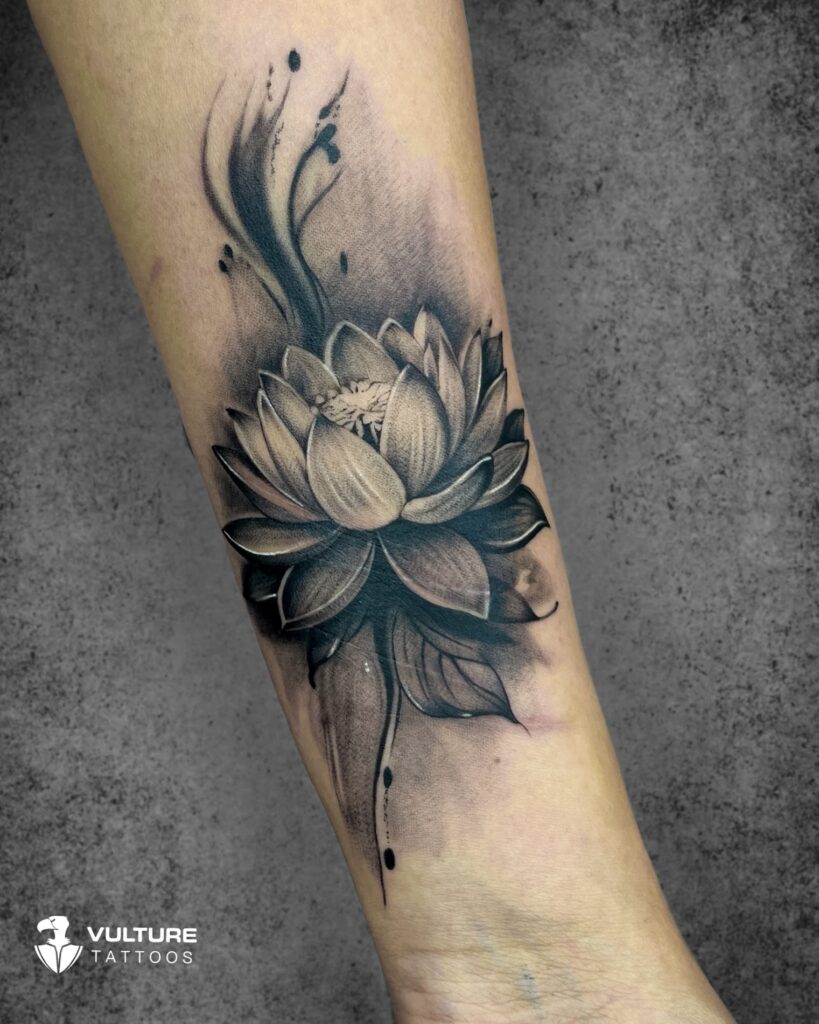
Most people who ask about this have already decided. They have lived with the scar for years, they have stopped wearing certain clothes because of it, and they want it to stop being the first thing they see.
We take these bookings seriously. But this is also the one area where studios most often say yes when the honest answer is “not yet” or “not like that”. Scar tissue is not normal skin. It takes ink differently, it heals differently, and some scars should not be tattooed at all.
So here is the straight version. If you are looking into a scar cover up tattoo in gurgaon, this covers what actually works, what does not, and how to tell which one you have. We are Vulture Tattoos, an appointment-only studio in Sector 47.
How scar tissue is different
Understanding this explains every other answer below.
- It has no normal structure. Healthy skin holds ink in a predictable layer. Scar tissue is disorganised collagen, so pigment can sit unevenly, spread more than expected, or refuse to hold in patches.
- It is often thinner or thicker. Both cause problems. Thin scar tissue takes ink too easily and can blow out. Thick raised tissue resists the needle.
- It has different texture. Even a perfect tattoo will not hide the texture of a raised or indented scar. It hides the colour difference and draws the eye elsewhere. That is the realistic goal.
- It is more sensitive — or completely numb. Scars can be either, sometimes both in different spots.
- It heals slower. Expect a longer healing window and a higher chance of needing a touch-up.
How long to wait
This is the question we answer most often, and the answer is longer than people want.
A scar needs to be fully mature before it is tattooed. That usually means at least 12 months, and for larger or surgical scars often 18 to 24 months.
A scar is mature when it is:
- Pale rather than pink or red
- Flat rather than raised
- Soft rather than tight
- No longer changing month to month
- Not itchy or tender
Tattooing an immature scar is a bad idea for real reasons: the tissue is still remodelling, so the design will distort as it settles; the ink holds unpredictably; and you increase the risk of thickening the scar further.
If your scar is still pink, still raised, or less than a year old, the honest answer is wait. We will tell you that even though it costs us the booking.
Which scars can be tattooed
Usually fine:
- Flat, pale, mature scars from cuts, surgery or accidents
- Well-healed appendix, C-section and other surgical scars
- Old burn scars, if flat and soft
- Stretch marks that have faded to white or silver
- Faded self-harm scars, once fully healed
Difficult, needs assessment:
- Slightly raised or indented scars — the tattoo helps, but texture stays
- Scars with very uneven surfaces
- Large burn areas with tight or shiny skin
- Scars over joints that stretch constantly
We will not tattoo:
- Keloid scars. Keloids grow beyond the original wound, and tattooing can trigger more growth. If you keloid easily, tattooing scar tissue is a genuine risk and we will say no.
- Hypertrophic scars still active. Raised, red, growing — wait until mature.
- Anything under a year old.
- Skin still under medical treatment. Get your doctor’s clearance first.
If you have a history of keloids anywhere on your body, tell us at the consultation. It changes the answer.
Designs that work over scars
The design choice matters more here than anywhere else, because you are working with the scar rather than pretending it is not there.
What works:
- Organic, irregular shapes. Florals, leaves, vines, waves, feathers, smoke. These have no straight lines and no symmetry, so any texture or distortion reads as part of the design.
- Designs with varied density. Some dark areas, some open skin. The eye moves around instead of settling on one spot.
- Mandala and ornamental work — but only over flat scars, because symmetry shows distortion.
- Designs that flow along the scar rather than sitting across it. A vine that follows the line of a scar works far better than a circle placed on top of it.
- Blackwork and bold shapes. Solid black is the most forgiving of uneven ink take.
What does not work:
- Straight lines. A straight line across an uneven surface shows every dip and ridge. This is the single most common mistake.
- Fine lettering. Text over scar tissue rarely stays crisp — see our script tattoo guide for why thin strokes are unforgiving.
- Perfect geometry. Circles and grids highlight distortion instead of hiding it.
- Photo-realistic portraits. Realism depends on smooth predictable shading, which scar tissue does not give you.
- Very pale colour. Light pigment over scar tissue often disappears.
Our black and grey guide and fine line guide cover how those styles behave, and both are relevant to this decision.
Stretch marks
These come up constantly, so they deserve their own answer.
Stretch marks are scar tissue, and the same rules apply. Older, white or silver marks tattoo far better than newer red or purple ones. If yours are still coloured, wait.
Realistic expectations matter here. A tattoo will not make stretch marks disappear. The texture stays. What it does is make the area read as a deliberate piece of art rather than as skin you did not choose — and for most people that is the actual goal.
Flowing organic designs work best. Florals, vines and abstract compositions that run with the direction of the marks rather than across them.
Self-harm scars — read this
A meaningful share of these bookings are for self-harm scars, so we will be direct and kind about it.
Yes, we do this work, and there is nothing to explain or justify. You do not owe us a story. Tell us as much or as little as you want.
A few practical things:
- Wait until fully healed and mature. Same rule — at least a year, ideally longer.
- The texture will remain. The tattoo changes what the area says, not what it feels like. Most people find that is enough.
- Multiple parallel scars are the hardest. They create a repeating texture that straight lines expose. Flowing designs work; grids do not.
- Bring someone if you want to. Any good studio says yes.
- Appointment-only matters here. One client at a time, private room, nobody walking past.
If you are still struggling, please talk to someone first. A tattoo is a good marker of having come through something. It is not treatment, and we would rather say that than pretend otherwise.
What to expect at the consultation
- We look at the scar in person. Photos are not enough. We need to see texture, feel whether it is raised, and check how the skin moves.
- We ask about history. How old, how it healed, whether you keloid, any medical treatment.
- We tell you honestly what is possible. Including “wait six more months” if that is the real answer.
- We design around the scar, not over it. The scar’s shape informs the composition.
- We talk about touch-ups upfront. Scar tissue often needs a second pass, and you should know that before you book, not after.
Does it hurt?
Honestly, it varies more than normal skin. Some scar tissue is more sensitive because of nerve regrowth. Some is completely numb. Many scars are both — sharp in places, nothing in others.
That unpredictability is worth knowing so it does not surprise you mid-session. Otherwise it is the same as any tattoo of that size in that place. Our tattoo pain chart covers placement pain generally.
Want to talk it through privately? Call or WhatsApp us on +91 96676 14250 or message us on WhatsApp. You can send a photo first if that is easier than coming in.
Healing and aftercare in Gurgaon
Scar tissue heals slower than normal skin, so the aftercare window is longer.
- Keep the wrap on as long as your artist says, then wash gently with lukewarm water and a mild fragrance-free soap.
- Pat dry, do not rub. Scar tissue is more fragile while healing.
- Use a thin layer of balm. Thin is the word.
- Do not pick or scratch. Picking over scar tissue risks thickening the scar itself.
- Expect slower healing. Three to four weeks rather than two is normal.
- Expect a possible touch-up. Uneven ink take is common. We plan for it.
- No swimming, sauna, gym sweat or soaking until fully healed.
Sun protection matters double here. Scar tissue is more vulnerable to UV damage than normal skin, and Gurgaon sun is severe. Once healed, use SPF 30 or higher every time it is exposed. Our full tattoo aftercare guide for Gurgaon covers each stage.
Why the artist matters more here
Tattooing scar tissue is a different skill from tattooing skin. The needle depth has to change as the artist crosses from normal skin into scar and back out. Push too deep on thin scar tissue and you blow out the line; too shallow on thick tissue and the ink does not hold. That judgement comes from having done it before, not from reading about it.
Design skill matters just as much. Knowing to run a vine along a scar instead of placing a circle over it is the difference between a piece that works and one that highlights exactly what you wanted hidden.
Ajay handles our realism, devotional, portrait and cover-up work, which includes scar work and reworking older tattoos. Ronny specialises in fine-line, botanical, script and geometric work, which covers the floral and organic designs that suit scars best. Our page on the tattoo artists in Gurgaon introduces both, and our tattoo cover-up guide covers reworking old tattoos as opposed to scars.
Every tattoo is done with single-use sterile needles opened in front of you, in an appointment-only studio. That is part of why our clients have left more than 270 five-star Google reviews.
Why book in Sector 47
Vulture Tattoos is at Shop F-04, Spaze Boulevard, Malibu Towne, Sector 47, Gurugram. Easy to reach from across Gurgaon, DLF, Sohna Road, Golf Course Road and South Delhi.
Appointment-only is not a marketing line for this kind of work. Scar cover-ups often involve showing a part of your body you normally keep covered, and talking about something personal. One client at a time means a private room, a closed door and no audience.
Book a consultation: call or WhatsApp +91 96676 14250. There is no obligation, and we will give you an honest answer even if that answer is “wait”.
See our work
Browse our recent pieces on Instagram at @vulture_tattooz, read more at Vulture Tattoos, or reach us through our contact page.
Frequently Asked Questions
How long should I wait before tattooing a scar?
At least 12 months, and often 18 to 24 for larger or surgical scars. The scar must be mature — pale rather than pink, flat rather than raised, soft rather than tight, and no longer changing month to month. Tattooing an immature scar means the design distorts as the tissue settles, and it can thicken the scar further.
Can a tattoo completely hide a scar?
It hides the colour difference and draws the eye elsewhere. It does not remove texture — a raised or indented scar stays raised or indented under the ink. The realistic goal is that the area reads as a deliberate piece of art rather than as a scar. For most people, that is exactly what they wanted.
Can you tattoo over keloid scars?
No, and any studio that says yes without examining you is not being careful. Keloids grow beyond the original wound, and tattooing can trigger further growth. If you have a history of keloids anywhere on your body, tell us at the consultation — it changes what is safe.
Can you tattoo over stretch marks?
Yes, if they are old and have faded to white or silver. Newer red or purple marks should wait. The texture will remain, so flowing organic designs that run with the direction of the marks work far better than geometry or straight lines. A tattoo makes the area intentional; it does not erase the marks.
Do you tattoo over self-harm scars?
Yes, and you do not need to explain anything. Tell us as much or as little as you like. The scars need to be fully healed and mature — at least a year. Multiple parallel scars are the hardest to work with, so flowing designs work and grids do not. You are welcome to bring someone with you.
Which designs work best over scars?
Organic, irregular shapes — florals, vines, leaves, waves, feathers, smoke. No straight lines, no perfect symmetry, and varied density so the eye keeps moving. Straight lines and precise geometry are the worst choice, because they expose every dip and ridge in the surface.
Will it take more than one session?
Often yes. Scar tissue takes ink unevenly, so a touch-up after healing is common and we plan for it from the start rather than treating it as a problem. Healing also takes longer than normal skin — three to four weeks rather than two.
How do I book and how much will it cost?
Booking is by appointment. Call or WhatsApp +91 96676 14250, or send a photo first if that is easier. We need to see the scar in person before committing to anything, so the consultation comes first. You get a clear written quote once the design and size are settled.