Fine-Line & Minimalist Tattoo in Gurgaon: The Honest Guide
What fine-line and minimalist tattooing actually is
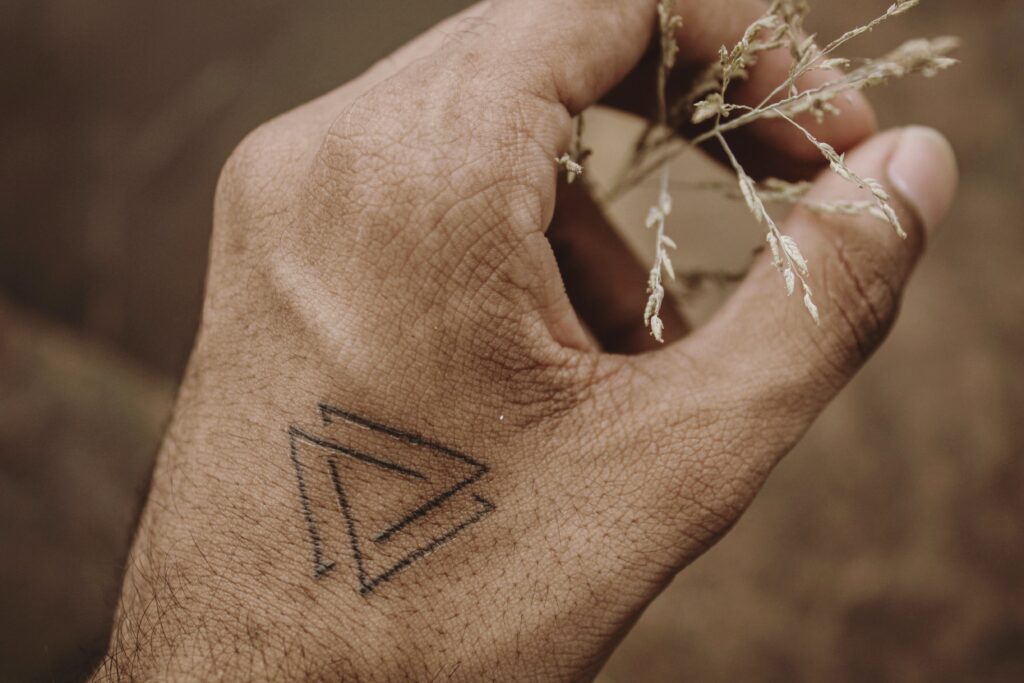
Fine-line tattooing is exactly what it sounds like: crisp, thin, deliberate lines with little or no heavy shading. Instead of the bold outlines and packed colour of traditional work, a fine-line piece leans on precision. A single delicate stem of script, a hairline botanical, a tiny symbol behind the ear. It looks effortless, and that is precisely why it is one of the hardest styles to do well.
Minimalist tattooing is the design philosophy that usually sits alongside it. Fewer elements, more negative space, nothing that does not need to be there. A minimalist tattoo is not just a small tattoo. It is a considered one. The two go together because thin lines and empty space reward restraint and punish clutter.
At Vulture Tattoos in Sector 47, Gurgaon, a good fine line tattoo in gurgaon is treated as a technical discipline, not a shortcut for people who want something cheap and quick. The look is quiet. The craft behind it is anything but.
Why fine-line needs a genuine specialist
Here is the honest part most studios will not tell you. Thin lines expose everything. There is nowhere for a shaky hand or a wrong needle depth to hide. A bold traditional tattoo can absorb small inconsistencies inside its weight. A single hairline cannot. If the artist wobbles, presses too deep, or runs the machine too fast, you see it forever.
Fine-line work is usually done with a single needle or a very tight grouping of needles. That single-needle control is a specific skill. It demands a steady hand, correct depth on every pass, consistent speed, and a real understanding of how thin ink behaves once it settles under living skin.
At Vulture Tattoos, Ronny specialises in fine-line, script and geometric work, which is exactly the kind of controlled single-needle tattooing this style depends on. Ajay handles realism, devotional, portrait and cover-up work. Matching the right artist to the right style is not a formality. For fine-line, the artist’s specialism is the single biggest factor in whether your tattoo still looks good in five years.
What a specialist gives you that a generalist does not:
- Consistent line weight. Every line lands at the same depth and thickness, so nothing looks heavier or lighter than it should.
- Clean single-pass work. A skilled hand lays a line once, cleanly, instead of going over it repeatedly and traumatising the skin.
- Design that will survive. A specialist tells you when a design is too detailed to hold up over time, before the needle ever touches you.
- Correct spacing. Lines placed too close together will eventually bleed into each other. Someone who does this daily knows the safe minimum.
The honest truth about how fine-line ages
This is the section competitors skip, and it is the most important one. Every tattoo changes over time. Fine-line changes more visibly than most because there is so little ink to begin with.
Two separate things happen as the years pass, and they are often confused.
Ink drift, or spreading. Ink sits in living skin, and skin moves. Over years, pigment settles and spreads a little at the microscopic level. On a bold tattoo you would never notice. On a hairline you might. A line that started crisp can soften slightly. This is biology, not bad work, and it affects even a flawless tattoo. The goal is to minimise it, not pretend it does not exist.
Fading. This is different. True fading, where lines go patchy, grey or disappear, is usually caused by tattoo depth being wrong, ink laid too lightly, sun damage, or poor aftercare. Good technique and good care prevent most of it.
So a well-executed fine-line piece does not vanish. It matures. The lines soften a touch, the contrast eases, and after several years it reads as a slightly gentler version of what you got on day one. That is normal and, honestly, quite beautiful when the work was good to start with.
How to minimise spreading and fading:
- Choose a specialist. Correct depth on every pass is the single biggest protection against premature fading. This comes back to who holds the machine.
- Do not over-detail. A design crammed with tiny detail into a small space will merge as it ages. Give lines room to breathe.
- Pick a stable placement. High-movement, high-friction areas age fastest. More on placement below.
- Protect it from the sun. UV is the number one enemy of any tattoo and it is brutal on delicate lines. In Gurgaon’s harsh summer sun this matters a lot.
- Moisturise for life. Dry skin cracks and dulls ink. A simple unscented lotion, long after healing, keeps the piece looking fresh.
- Accept a touch-up. A short refresh every few years can restore crispness. This is maintenance, not failure. Delicate work simply asks for it.
If you want your design to age even more gracefully, a specialist can build in a fraction more structure, a marginally thicker key line or a whisper of shading, so the piece holds its shape as it settles. This is the kind of honest advice you should expect at consultation.
Best placements for fine-line tattoos
Placement decides how well thin lines survive. Skin that moves a lot, stretches, or rubs against clothing and other surfaces will wear delicate work faster.
Placements that hold up well:
- Inner forearm. Flat, stable, low friction, easy to protect from sun. One of the best homes for fine-line.
- Upper arm and outer bicep. Stable skin with minimal stretch, ages slowly.
- Back and shoulder blade. Large, flat, protected. Excellent for script and florals.
- Calf and thigh. Stable and easy to cover, good for larger minimalist pieces.
- Ribs. Elegant for script, though more tender to sit through.
Placements that fade fastest, choose with care:
- Fingers and hands. Constant use, washing and friction. Fine-line here almost always needs regular touch-ups. Beautiful, but be realistic.
- Feet. Rubbing from footwear wears lines quickly.
- Inner wrist and side of the palm. High-movement, faster to soften.
A responsible artist will be upfront if you pick a fast-fading spot, tell you what to expect, and never pretend a finger tattoo will look identical in ten years. That honesty is the point.
Popular minimalist and fine-line ideas
The beauty of this style is how personal it gets. A few directions clients in Gurgaon ask for most:
- Script and lettering. A name, a date, a single meaningful word, or a short quote in a clean hand. Ronny’s script specialism makes this a signature request. If a name is your goal, our guide on name tattoos in Gurgaon goes deeper on fonts and placement.
- Fine florals. A single stem, a sprig of leaves, a small delicate bloom. Timeless and ages softly.
- Small symbols. A tiny moon, mountain range, wave, heartbeat line, arrow, star or geometric shape.
- Line-art figures. A face, a hand, an animal drawn in one continuous unbroken line.
- Coordinates and dates. A place or moment that matters, rendered simply.
- Matching pieces. Subtle tattoos shared between partners, siblings or friends.
Many of these overlap with our broader thinking on small tattoos in Gurgaon, since fine-line and small so often go together. The key is that even the tiniest design is drawn for you, not pulled off a wall.
Does a fine-line tattoo hurt?
Fine-line tends to be one of the more tolerable styles for a simple reason. A single needle covers less skin than a large shading group, and most minimalist pieces are small, so you sit for less time. There is no heavy packing of colour, which is often the part people find most tiring.
That said, pain is always about placement more than style. Fleshy areas like the outer forearm, upper arm and thigh are gentler. Bony or thin-skinned areas like ribs, feet, fingers, sternum and the inside of the wrist are sharper, and thin needles can feel more like a fine scratch there. Most people describe fine-line as a persistent light scratch rather than anything dramatic. If it is your first tattoo, the style is a kind one to start with.
If this really is your first one, our beginner’s guide to your first tattoo in Gurgaon covers everything from picking a placement to what the session actually feels like.
You will always be told what to expect for your specific placement before you commit. If you are still deciding, book a chat with us on +91 96676 14250 or message us on WhatsApp, and we will talk you through it honestly.
Healing and aftercare for delicate work
Aftercare matters more for fine-line than for bold work, because there is less ink to spare. Lose a little pigment during a rough heal and a thin line can look broken. Protect the heal and your lines stay clean.
- Keep the first wrap on as instructed. Do not rush to peek. Let the initial protection do its job.
- Wash gently. Clean hands, lukewarm water, a fragrance-free soap, then pat dry with a clean paper towel. Never rub.
- Moisturise thin. A very light layer of a plain unscented moisturiser, two or three times a day. Too much smothers the skin.
- Do not pick or scratch. Flaking and light scabbing are normal. Pulling them off takes ink with them and ruins a fine line.
- No pools, gyms, saunas or long soaks for the first two weeks. Gurgaon summers mean sweat, so keep it clean and dry.
- Stay out of direct sun while healing, and use sunscreen over it for life once healed.
Full surface healing usually takes two to three weeks, with deeper settling over a couple of months. If a small patch heals lighter than the rest, that is exactly what a touch-up is for, and a reputable studio expects to see you back.
Why cheap fine-line is a real risk
Fine-line looks simple, so it attracts a lot of underqualified hands charging very little. This is where people get hurt, and it is worth being blunt about.
- Blowouts. Push a fine line too deep and the ink spreads under the skin into a blurry smudge. On a delicate design it is glaring and often permanent. This is the single most common failure of cheap fine-line.
- Lines that vanish. Go too shallow to avoid a blowout and the ink does not hold, so the tattoo fades badly within a year.
- Merged detail. An inexperienced artist packs too much into a small space and it bleeds into a grey blob as it ages.
- Hygiene shortcuts. A cheap operation cutting corners on price is often cutting corners on sterile, single-use equipment too. That is a health risk, not just an aesthetic one.
Fixing a bad fine-line tattoo is far harder and more expensive than doing it right the first time. Correcting delicate work often means laser removal or a cover-up, both of which cost more time, money and skin than simply choosing well at the start. This is one style where the artist genuinely is the whole product.
You will not get a price from a phone quote here, and you should be wary of anyone who throws a cheap number at you sight unseen. At Vulture Tattoos, every design gets a written quote at consultation once we understand exactly what you want.
Custom design, done properly
A minimalist tattoo has nowhere to hide a lazy design. With so few elements, every line and every gap has to earn its place. That is why custom matters even, especially, for the smallest pieces.
At Vulture Tattoos the process is collaborative. You bring a reference, a word, a feeling or a rough idea. The artist redraws it for your body, your placement and the way skin will carry those lines over time. You review the design and adjust it before anything is permanent. Nothing is copied off the wall.
If choosing the right artist feels daunting, our guide to the best tattoo artist in Gurgaon walks through what to look for in a portfolio, including how to read healed photos rather than fresh ones.
Ready to talk it through? Call or WhatsApp us on +91 96676 14250 and we will book you a relaxed consultation. You can also reach us through our contact page.
The local Gurgaon angle
Getting a fine line tattoo in gurgaon comes with a few local realities worth planning around. The summer sun here is intense, and UV is the fastest way to fade delicate lines, so protecting a fresh tattoo and using sunscreen long-term is not optional. The heat also means more sweat during healing, which makes keeping the area clean and dry that much more important.
Vulture Tattoos sits at Shop F-04, Spaze Boulevard, Malibu Towne, Sector 47, Gurugram, easy to reach from across Gurgaon and the wider Delhi NCR. We are appointment-only, which means you get unhurried time with your artist rather than a walk-in production line. Every needle is single-use and sterile, opened in front of you before we begin. More than 270 five-star Google reviews reflect how seriously we take both the craft and the care.
If you have been searching for a proper specialist for your fine line tattoo in gurgaon rather than the cheapest chair in the market, this is the difference you are looking for.
See our work and get in touch
The best way to judge fine-line work is to see healed, real results rather than fresh photos. Browse our latest pieces on Instagram at @vulture_tattooz, explore more on our website at vulturetattoos.com, and when you are ready to talk about your idea, call or WhatsApp us on +91 96676 14250. We will give you honest guidance, a clear plan and a written quote at consultation.
Frequently Asked Questions
What exactly is a fine-line tattoo?
It is a tattoo made of thin, precise lines with little or no heavy shading, usually done with a single needle or a very tight needle grouping. The style favours clean, delicate designs and plenty of negative space, which is why it pairs so naturally with minimalist ideas.
Do fine-line tattoos fade or disappear over time?
They do not disappear if they are done well. Every tattoo softens with age, and because fine-line has so little ink, that softening is more visible. True fading into patchiness usually comes from poor technique, sun damage or neglect. Correct depth, good placement, sun protection and the occasional touch-up keep a fine-line piece looking sharp for many years.
Why do I need a specialist for fine-line work?
Thin lines expose every mistake because there is no weight to hide behind. A specialist has the single-needle control to lay each line at the right depth and thickness in one clean pass. At Vulture Tattoos, Ronny specialises in fine-line, script and geometric work for exactly this reason.
Where should I get a fine-line tattoo to make it last?
Stable, low-friction areas last best, including the inner forearm, upper arm, back, shoulder, calf and thigh. Fingers, hands and feet fade fastest because of constant movement and friction. You can absolutely tattoo those spots, but expect to plan for regular touch-ups.
Does a minimalist tattoo hurt less than a big one?
Often, yes. Single-needle work covers less skin and most minimalist pieces are small, so you sit for less time and there is no heavy colour packing. Pain still depends mostly on placement, so ribs, feet and fingers feel sharper than the forearm or thigh.
Why is cheap fine-line risky?
Delicate work is unforgiving, and low prices often mean an underqualified hand. The common results are blowouts where lines blur under the skin, ink that fades within a year, merged detail, and sometimes hygiene shortcuts. Fixing a bad fine-line tattoo usually costs far more in time, money and skin than doing it right the first time.
Can you copy a design I found online?
We prefer to use it as inspiration rather than copy it exactly. Every design is redrawn for your body, placement and how the lines will age, so it fits you and holds up over time. You review and approve the artwork before anything becomes permanent.
How do I book and will I get a price upfront?
Call or WhatsApp us on +91 96676 14250 to arrange a consultation. We are appointment-only, so you get proper unhurried time with your artist. We do not quote blind over the phone; you receive a clear written quote at consultation once we understand exactly what you want.