Neck Tattoo in Gurgaon: Pain, Ideas, Placement and Honest Advice
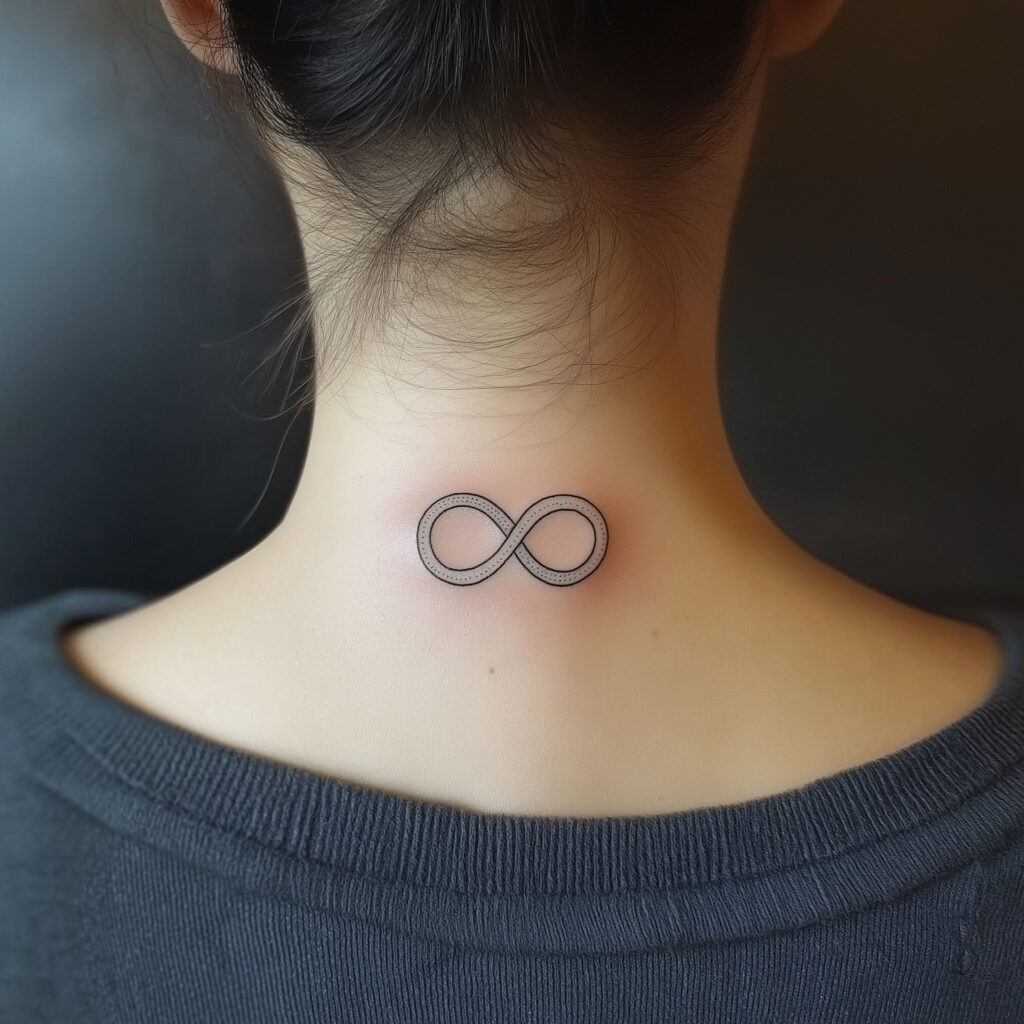
The neck is one of those spots people either think about for years or decide on in a single afternoon. There is not much middle ground. It sits high on the body, it moves every time you turn your head, and it is hard to hide. That combination scares some people off and pulls others straight in.
I have inked a lot of necks. Small ones tucked behind the ear, script down the side, big wrap pieces that curl from the nape toward the collarbone. Every single one taught me the same lesson. The neck rewards patience and punishes shortcuts. So before you sit in the chair, let me walk you through what a neck tattoo in Gurgaon actually involves. The pain, the placement choices, the designs that hold up, and the honest bits most studios skip over.
This is coming from the chair at Vulture Tattoos, our studio in Sector 47. Not a listicle written by someone who has never held a machine.
Why the neck hurts more than most spots
Let me not sugarcoat it. The neck is a stingy area. If your arm is a 3 or 4 out of 10, most of the neck lands somewhere between 6 and 8. A few spots go higher.
Three things are working against you here.
- Thin skin. The skin on your neck is thinner than on your bicep or thigh. Less cushion between the needle and everything underneath.
- Bone sits close. Around the spine at the back and near the collarbone, bone is right there. When the vibration of the machine hits bone, you feel it in a deep, rattly way that is hard to describe until you have had it.
- Nerves and movement. The neck is packed with nerve endings and it never fully relaxes. You swallow, you breathe, you tense without meaning to. All of that feeds into how sharp things feel.
Here is the part people find reassuring though. Pain is not the same everywhere on the neck, and the difference is bigger than you would guess. Where you place the piece changes the whole experience. So let me break the neck into its three real zones.
Back of the neck vs side of the neck vs throat
Back of the neck (the nape)
This is the gentlest of the three, and honestly it surprises a lot of my clients. The spine sits a little deeper here and there is a reasonable layer of muscle across the top of the shoulders. Most people put it around a 4 to 5. Still a real tattoo, still not a spa day, but very manageable.
It is also the easiest to hide. Grow your hair a bit, wear a collar, and nobody knows it is there. If this is your first time going anywhere near the neck, the nape is where I usually point people. You test the water without committing to something on your face for the world to see.
Side of the neck
The side is the crowd favourite and for good reason. There is a touch more muscle than the throat, so it has a sliver of padding, but make no mistake, it is still sensitive. The sting is sharp and it can travel up toward the ear or down into the shoulder. Call it a solid 6 to 7.
What makes the side worth it is how it looks. Tattoos here flow with the natural curve of the neck. Script runs beautifully down the side. Roses, snakes, feathers, small profiles of birds, they all sit well here. And you get to choose your visibility. A high collar covers it at work, an open collar shows it off on the weekend.
Throat and front of the neck
This is the deep end. The skin over your throat is thin, it sits right over cartilage and muscle, and there is almost no buffer at all. Most people call it a 7 to 8, some go higher, and swallowing while the needle is working is a strange sensation you do not forget.
The throat is also permanent in the loudest way possible. You cannot hide it. Not with a collar, not with hair. This is a placement for people who are certain about their look and their line of work. I am not here to talk anyone out of it, plenty of throat pieces are stunning, but I will always make sure you have thought it through. That is my job.
If you want a fuller breakdown of tattoo pain across the whole body, we wrote a separate honest guide here: does a tattoo hurt. Worth a read before any neck appointment.
The workplace question nobody wants to ask out loud
Let me say the quiet thing plainly. Where you work matters, and pretending it does not is how people end up with regret.
Gurgaon runs on offices. Corporate floors, client meetings, formal dress codes. A throat or front-of-neck tattoo is visible in every one of those settings, no matter how you dress. If your industry is relaxed about ink, brilliant, go for it. If it is not, think hard.
The back of the neck is the safe compromise. Covered by a collar and hair almost all the time, shown only when you choose. The side is in between. High collars hide it, open ones reveal it.
I am not telling you to shrink your idea to please a boss. I am telling you to walk in with eyes open. A tattoo you love but have to explain in every interview is a different decision than one you can tuck away when you want to. Only you can weigh that. Just weigh it before, not after.
Designs that actually suit the neck
The neck is a curved, moving canvas. Designs that ignore that curve end up looking stiff. Designs that follow it look like they grew there. Here is what tends to work.
- Script and lettering. Down the side of the neck, a name, a date, a short line of meaning. This is one of the most requested neck pieces and one of the most timeless. Clean lettering that respects the natural flow of the skin.
- Wrap-around pieces. Snakes, vines, dragons, waves. Anything that curls from the back toward the side works because it follows the neck instead of fighting it. These are some of my favourite pieces to design.
- Behind the ear. Small and delicate. A tiny moon, a star, a little symbol. Low commitment, easy to hide, still meaningful.
- Nape centrepieces. Mandalas, small crests, geometric shapes, a single word. The back of the neck is a neat frame for a symmetrical design.
- Devotional and portrait work. For those who want something with weight to it. Ajay handles our realism and devotional pieces, and the neck can carry a striking small portrait or religious motif when it is drawn to fit the space.
One thing I steer people away from on the neck is anything with heavy fine detail crammed into a tiny area. The neck moves and the skin ages, and micro-detail here can blur faster than it would on a flatter, stiller part of the body. If your heart is set on delicate work, we talk about the right scale, or we look at whether a fine line tattoo in a slightly more stable spot might serve the design better. Sometimes the best advice is a small tweak in placement.
Ronny runs our fine-line, script and geometric work, so if clean lettering or a crisp geometric neck piece is what you are after, that is his lane.
Book your neck tattoo
If you have an idea brewing, the easiest next step is a chat. Call or WhatsApp us and we will talk it through, no pressure. +91 96676 14250 or message on WhatsApp. We are appointment-only, so a quick message saves you a wasted trip.
Healing on a part of the body that never sits still
Here is where the neck asks more of you than most placements. It heals slower, and the reason is simple. It never stops moving.
Every time you turn your head, nod, swallow or sleep on your side, the fresh tattoo stretches and shifts. That constant motion is why the neck is one of the slower spots to settle. Expect the surface to heal over roughly three to four weeks. Full skin-deep healing, the point where the ink is truly locked in, runs closer to four to six months. That is normal. Do not panic when it looks a bit dull in week two, that is the healing skin sitting on top.
A few things that genuinely help on the neck.
- Mind your collars. Tight collars, scarves and rough fabric rub a fresh neck tattoo raw. Loose necklines for the first couple of weeks.
- Sleep smart. If your piece is on the side, try not to sleep on that side. A clean pillowcase, changed often, matters more than people think.
- Sun is the enemy. The neck catches a lot of sun in Gurgaon. Keep a healing tattoo out of direct sun, and once it is healed, sunscreen is what keeps it sharp for years.
- Gym and sweat. Heavy sweating and neck movement in the first week is asking for trouble. Ease back in.
- Hands off. Follow the aftercare we give you, keep it clean, do not pick. The neck is a spot people unconsciously touch all day, so stay aware.
We open a single-use sterile needle in front of you at the start of every session and walk you through aftercare properly before you leave. Healing is half the tattoo. We take it as seriously as the ink itself.
Honest talk about touch-ups
I would rather tell you this now than have you feel let down later. Neck tattoos are slightly more likely to need a touch-up than a tattoo on your calf or forearm. That is not a knock on the work, it is the nature of the area.
The reasons line up with everything above. The skin is thin, so ink can sit unevenly in spots. The area moves constantly during healing, which can pull at fine lines. And it takes a lot of sun and friction over the years.
A good artist minimises this from the start with the right needle work, the right depth, and a design scaled to survive. But even then, a small touch-up a few months down the line is sometimes just part of owning a neck piece. Any studio that promises you a neck tattoo will never, ever need attention is selling you something. We would rather be straight with you and take care of it if the time comes.
Choosing a steady hand for a spot like this
Not every artist should be tattooing necks. I mean that. The neck is unforgiving. Curved surface, moving skin, thin canvas, bone close by, and a client who is often tensing up from the sting. It demands a calm, steady hand and real experience reading how skin behaves under pressure.
When you pick someone for a neck tattoo, look for a few things.
- Real healed neck work. Not just fresh photos taken five minutes after the session. Ask to see necks that have settled for months. Healed work tells the truth.
- They ask you questions. A good artist digs into your job, your lifestyle, your certainty, before they pick up a machine. If nobody asks whether you have thought about visibility, walk out.
- Hygiene you can see. Sterile needles opened in front of you, clean station, gloves, the works. No excuses on this.
- A design built for the neck. Not a flat stencil slapped on a curved surface. The drawing should be mapped to your actual anatomy.
At Vulture Tattoos we are appointment-only by choice, because neck pieces deserve time and focus, not a rushed walk-in slot. Ajay handles realism, devotional, portrait and cover-up work. Ronny handles fine-line, script and geometric. Between them, most neck ideas find the right home. Our 270-plus five-star Google reviews are built on exactly this kind of careful, unhurried work. If you want to know more about what makes a strong artist for a placement like this, we broke it down here: best tattoo artist in Gurgaon.
And if you would rather just come in and talk face to face, our contact page has everything you need to find us in Sector 47.
See our work and get in touch
The best way to judge an artist is to look at their work with your own eyes. Have a scroll through our Instagram at @vulture_tattooz, where we post healed pieces, fresh sessions and plenty of neck work. When something clicks, reach out. You can see more on our site at vulturetattoos.com, or just call and talk to a real person on +91 96676 14250. We are at Shop F-04, Spaze Boulevard, Sector 47, Gurgaon, and we would love to help you get this one right.
Frequently Asked Questions
How much does a neck tattoo hurt compared to other spots?
More than most, if I am honest. The back of the neck is the mildest, around a 4 to 5 out of 10, because the spine sits deeper and there is muscle across the shoulders. The side sits around 6 to 7. The throat and front are the sharpest, a 7 to 8 or higher, since the skin is thin and cartilage is right underneath. That said, plenty of people handle it fine. It is short bursts, not endless agony.
Which part of the neck is least painful for a first tattoo?
The back of the neck, the nape. It is the gentlest of the three zones and it is easy to hide with hair or a collar. If you are nervous about both pain and visibility, that is where I usually suggest starting.
Can I hide a neck tattoo at work?
It depends where you put it. The nape hides easily under hair and collars. The side is hideable under a high or buttoned collar. The throat and front of the neck are essentially impossible to conceal. Think about your workplace before you choose the exact spot, not after.
How long does a neck tattoo take to heal?
The surface heals in roughly three to four weeks. Full, skin-deep healing takes closer to four to six months. The neck is slower than most placements because it moves constantly while it heals. Loose collars, clean pillowcases and staying out of the sun all help.
Will my neck tattoo need a touch-up?
Possibly, and there is no shame in it. Because the skin is thin, always moving, and exposed to sun, neck pieces are a bit more likely to need a small touch-up than a tattoo on your arm or leg. Good work reduces the chance, but we would rather be upfront than pretend it never happens.
What designs work best on the neck?
Anything that follows the neck’s natural curve. Script down the side, wrap-around snakes and vines, small pieces behind the ear, mandalas and crests on the nape. Very fine, crammed detail is the one thing I steer people away from on such a moving, thin area.
Do you use fresh needles for every client?
Always. We open a single-use sterile needle in front of you at the start of each session, every time. Clean station, gloves, proper hygiene. On a spot like the neck, there is no room to be casual about it.
How do I book a neck tattoo at Vulture Tattoos?
Call or WhatsApp us on +91 96676 14250. We are appointment-only, so a quick message first means we can set aside proper time to plan your piece rather than rushing it. Tell us your idea, your placement and any reference images, and we will take it from there.