Tongue Piercing in Gurgaon: The First 48 Hours and Honest Risks
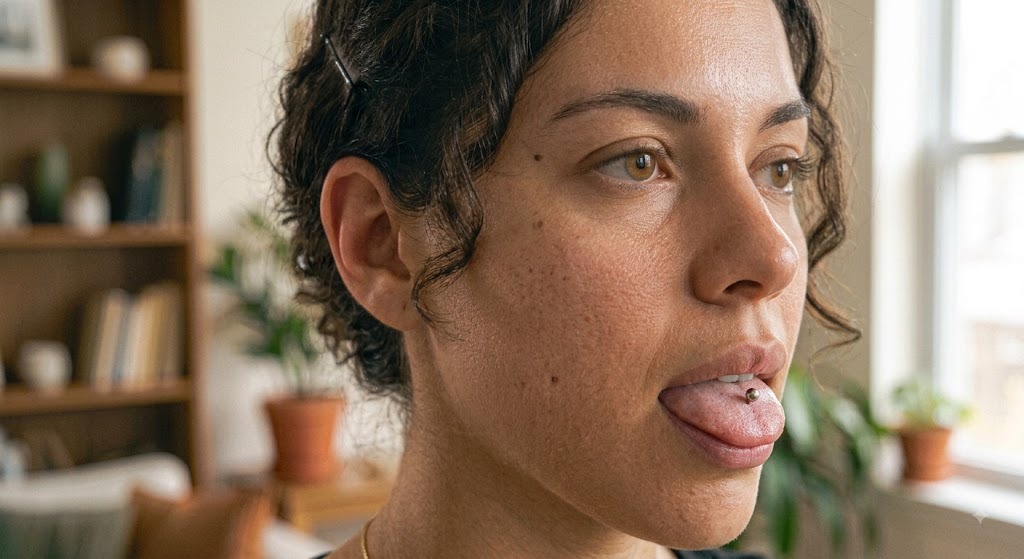
Everyone asks about the pain of a tongue piercing. Almost nobody asks about the two days after, which are honestly the harder part.
The tongue swells more than almost any other piercing site in the body, and if you go in expecting the piercing itself to be the challenge, the swelling will catch you off guard. If you are considering a tongue piercing in gurgaon, this guide covers exactly what those first 48 hours involve, the genuine long-term risks worth knowing, and how to protect your teeth. We are Vulture Tattoos, an appointment-only studio in Sector 47.
Does it hurt?
Honestly — less than most people fear, and much less than the swelling that follows. The tongue is muscle, not bone or cartilage, and the needle passes through relatively quickly. Most people describe it as a strange pressure and a brief sharp moment rather than intense pain.
The bigger sensation, immediately after, is an odd metallic taste and the strangeness of having a foreign object in your mouth for the first time. That fades quickly.
Our pain guide covers placements across the body more generally.
The first 48 hours — plan for this properly
This is the part that matters most, and going in prepared makes a real difference.
- Swelling peaks around day 2 or 3. Your tongue will likely feel noticeably larger, and speaking and eating will be genuinely awkward. This is normal, not a sign anything has gone wrong.
- Clear your schedule if you can. Do not book a tongue piercing the day before an important meeting, an exam, or anything that needs clear speech. Give yourself a few quiet days.
- Ice is your friend. Ice chips or cold water, sipped slowly, help manage the swelling in the first 24 to 48 hours.
- Speak less than usual. Not a strict rule, but a genuinely useful one — talking moves the tongue against the fresh piercing constantly.
- The initial jewellery is longer than the final piece specifically to accommodate this swelling. It will look unusually long at first. That is intentional, and it gets downsized once swelling settles, usually around two to four weeks in.
Want to talk through what to expect before booking? Call or WhatsApp us on +91 96676 14250 or message us on WhatsApp.
Eating and speaking during healing
- Days 1–3: cold, soft food only. Ice cream, yoghurt, smoothies, cold soup. Nothing hot, nothing spicy, nothing that needs much chewing.
- Days 4–7: soft warm food is manageable — dal, khichdi, mashed vegetables. Still avoid anything crunchy, spicy or acidic.
- Week 2 onward: gradually returning to normal food as comfort allows. Everyone’s pace differs slightly.
- Speaking will sound and feel odd for the first few days because of swelling and the new object in your mouth. It settles quickly once swelling reduces.
Avoid alcohol, smoking, spicy food and very hot drinks for at least the first week — all of them irritate a fresh piercing directly.
The teeth risk — this is the honest long-term conversation
This is worth reading properly, because it is the difference between wearing a tongue piercing safely for years and needing dental work later.
The barbell ball resting against the back of your teeth, repeatedly over months and years, can chip enamel or cause the teeth to wear down slightly at the contact point. This is well documented and it is genuinely preventable.
- Correct sizing matters. A barbell that has not been downsized after swelling settles sits with more slack, moves more, and knocks against teeth more.
- Do not click or play with it against your teeth. An extremely common unconscious habit that accelerates wear significantly.
- Consider a shorter or flatter-ended barbell once healed, for long-term wear, rather than staying on the longer healing bar indefinitely.
- Regular dental check-ups. Tell your dentist about the piercing. Early enamel wear or gum recession is far easier to manage when caught early.
We fit correctly and talk you through downsizing at the right point specifically because of this risk.
Other genuine risks worth knowing
- Speech changes. Rare and usually temporary during healing, but very occasionally people notice a lasting slight change to certain sounds. Uncommon, worth knowing.
- Nerve sensitivity. Placement matters — a piercer checks the underside of your tongue for visible veins and positions the piercing to avoid them and reduce nerve involvement.
- Gum recession on the lower front teeth from the underside barbell ball, similar to the upper-teeth risk but on the inside of the lower gums for some placements.
- Choking risk if jewellery loosens. Extremely rare with a properly fitted, quality barbell, but it is the reason we check jewellery is secure and recommend periodic checks.
None of these are reasons to avoid the piercing. They are reasons to have it done properly, with correctly fitted quality jewellery, and to follow the dental-care advice above.
Healing — 4 to 6 weeks for the surface, longer internally
- Weeks 1–2: the hardest part. Significant swelling, careful eating, speaking adjustments.
- Weeks 2–4: noticeably easier, swelling mostly resolved, jewellery downsize appointment.
- Weeks 4–6: largely healed on the surface. Internal healing continues a little longer.
Aftercare
- Rinse with alcohol-free antiseptic mouthwash or saline solution after every meal and before bed, for the first few weeks. This is the core of tongue piercing aftercare.
- Ice for swelling, especially the first two days.
- Soft food, as above.
- No smoking, vaping, alcohol or kissing for at least the first two weeks.
- Excellent general oral hygiene — brush and floss as normal, being gentle around the piercing.
- Attend the downsize appointment once swelling has settled, usually two to four weeks in.
Our piercing aftercare guide covers general principles alongside this mouth-specific routine.
Jewellery
- Straight barbell — the standard for a tongue piercing.
- Longer initial bar for swelling, sized down at your downsize appointment.
- Consider a flatter-ended or shorter barbell for long-term wear once healed, specifically to reduce contact with your teeth.
Implant-grade titanium, always — this piercing sits in constant contact with saliva and mouth tissue, and reactive metal here is a genuinely bad combination.
Why the piercer matters
Tongue anatomy varies — the position and visibility of veins on the underside, the thickness of the tongue itself, and the natural resting position all affect where a piercing should go. A piercer who checks properly before piercing, sizes the bar correctly, and talks you through the downsize timeline is protecting both your healing and your long-term dental health.
- Needle, always, checked against your specific anatomy.
- Single-use sterile equipment opened in front of you.
- Correct initial sizing with a planned downsize appointment.
- Honest advice on protecting your teeth long term.
Every piercing here is done with single-use sterile equipment opened in front of you, in an appointment-only room. That is part of why our clients have left more than 270 five-star Google reviews. Our piercing studio guide for Gurgaon covers the standards to expect anywhere.
Why book in Sector 47
Vulture Tattoos is at Shop F-04, Spaze Boulevard, Malibu Towne, Sector 47, Gurugram. Easy to reach from across Gurgaon, DLF, Sohna Road, Golf Course Road and South Delhi.
Book your tongue piercing: call or WhatsApp +91 96676 14250. See our work on Instagram at @vulture_tattooz, or reach us through our contact page.
Frequently Asked Questions
Does a tongue piercing hurt?
Less than most people fear — a brief pressure and a sharp moment, since the tongue is muscle rather than bone or cartilage. The harder part is the swelling that follows over the next two to three days, which is much more noticeable than the piercing itself.
How long does the swelling last?
It peaks around day two or three and is usually significant — expect your tongue to feel noticeably larger and speaking and eating to be genuinely awkward during that window. It settles considerably by the end of the first week. Ice and cold soft food help manage it in the first 48 hours.
What can I eat after getting my tongue pierced?
Cold, soft food only for the first few days — ice cream, yoghurt, smoothies, cold soup. Move to soft warm food like dal or khichdi from around day four, still avoiding anything crunchy, spicy or acidic. Most people are back to normal eating within two weeks, though everyone’s pace differs slightly.
Can a tongue piercing damage my teeth?
Yes, if the barbell is not correctly sized or if it is played with against the teeth over months and years — this can chip enamel or wear teeth down at the contact point. It is preventable with correct sizing, avoiding the habit of clicking it against your teeth, and considering a shorter or flatter barbell once fully healed.
When does the jewellery get downsized?
Usually two to four weeks after the initial piercing, once swelling has fully settled. The bar you get pierced with is deliberately longer to accommodate swelling, so it will look unusually long at first — that is expected, not a mistake, and it gets swapped for a properly fitted length once you heal.
How long does a tongue piercing take to fully heal?
Four to six weeks for the surface to settle, with continued internal healing for a little longer after that. The first one to two weeks are the most demanding, with the rest of the healing period being progressively easier.
Can I talk normally after getting my tongue pierced?
Speech will sound and feel slightly odd for the first few days because of swelling and the unfamiliar object in your mouth, and it settles quickly as swelling reduces. Very occasionally people notice a slight lasting change to certain sounds, but this is uncommon.
How do I book?
Booking is by appointment. Call or WhatsApp +91 96676 14250. We check your tongue’s anatomy before piercing, fit correctly sized jewellery, and give you a clear price and a downsize plan before anything is done.