Eyebrow Piercing in Gurgaon: Placement, Rejection Risk and Aftercare
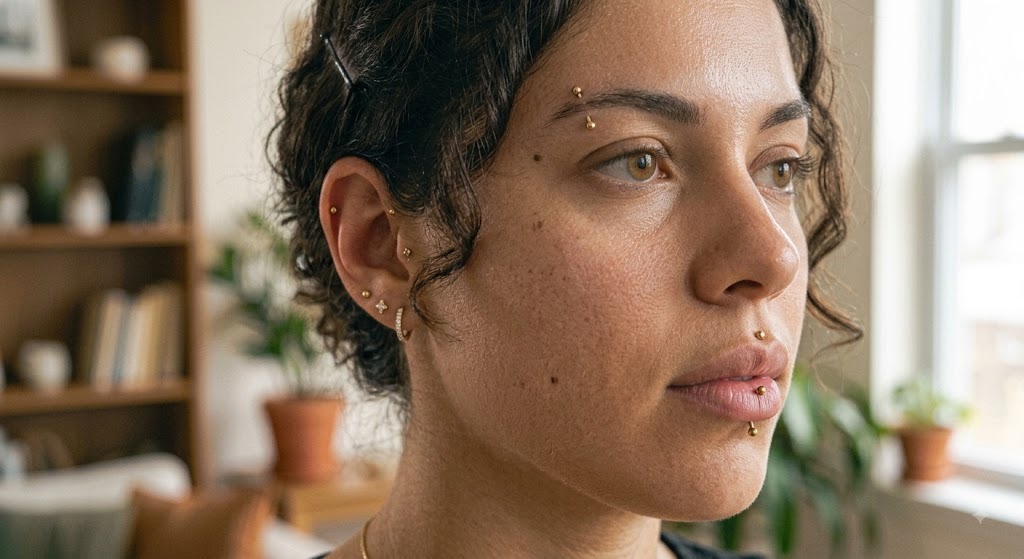
Of every piercing we do, the eyebrow is the one most likely to reject — meaning the body pushes the jewellery out over time, slowly, until it sits closer to the surface and eventually migrates out entirely. It is worth knowing this before you book, not because it should stop you, but because knowing it changes how you look after it.
If you are considering an eyebrow piercing in gurgaon, this guide covers where it should actually sit, why rejection happens more here than almost anywhere else, and how to genuinely protect it. We are Vulture Tattoos, an appointment-only studio in Sector 47.
Why the eyebrow rejects more than most piercings
This is not scaremongering — it is basic anatomy, and understanding it is what lets you actually prevent it.
- It sits close to the surface. The eyebrow is a surface piercing rather than a piercing through a substantial fold of tissue, which means there is relatively little depth holding the jewellery in place compared with, say, a septum or a lobe.
- It moves constantly. Your eyebrows move every time you show an expression — surprise, a frown, a raised eyebrow, literally hundreds of times a day. Constant subtle movement puts steady pressure on a piercing that is already shallow.
- It gets knocked easily. Sleeping, hats, sunglasses, glasses, hair, hands touching your face — the eyebrow area is in the path of a lot of daily contact.
None of this means it will definitely reject. Plenty of eyebrow piercings are worn for years without issue. It means the placement and the aftercare matter more here than almost anywhere else on this list, and it is why we spend real time getting the angle right before piercing.
Where it should actually sit
The angle is everything. A well-placed eyebrow piercing follows the natural angle of the brow bone rather than sitting perpendicular to the skin surface. This gives the jewellery more tissue to sit through and dramatically reduces the pressure that leads to rejection.
- Vertical eyebrow piercing. The most common and generally the most stable — angled with the natural slope of the brow.
- Horizontal eyebrow piercing. Less common, and typically has a higher rejection rate because of how it sits relative to the tissue depth available.
- Placement along the brow. Usually towards the outer third of the eyebrow, following your natural brow shape rather than a fixed measurement — every face is different.
We mark the position and check the angle with you in a mirror before piercing, exactly as with any surface-adjacent piercing.
Does it hurt?
Less than most people expect, similar to an eyebrow-area sensation you might get from plucking a few hairs at once — a quick, sharp pinch. It is over in a second, and most people are surprised at how manageable it is.
What can be more uncomfortable is the days after, when the area is tender and swollen and close enough to your eye that touching your face becomes something you think about.
Our pain guide covers placements across the body more generally.
Want to talk through placement first? Call or WhatsApp us on +91 96676 14250 or message us on WhatsApp.
Healing — 6 to 8 weeks, but stay vigilant
Faster than cartilage, because it is not cartilage — but the rejection risk means the healing period asks for more attention than usual.
- Weeks 1–2: tender, swollen, some bruising is normal here (this is one of the few piercings where light bruising around the eye area is expected).
- Weeks 3–6: settling, still needs gentle care.
- Weeks 6–8: generally healed for most people.
Watch for early signs of migration — the jewellery sitting visibly closer to the surface on one side, or the skin over it looking thinner than the surrounding area. Catching this early and having a piercer look at it can sometimes save the piercing; catching it late usually means it is coming out regardless.
Aftercare, and the Gurgaon parts
- Sterile saline spray, twice a day. Spray, let it sit, pat dry with clean tissue.
- Do not touch, turn or play with it. Every unnecessary touch is more pressure on an already shallow piercing.
- No alcohol, hydrogen peroxide or Dettol. They damage healing tissue.
- Be careful with hats, sunglasses, glasses and hair. Anything that presses against the brow area needs conscious adjustment for weeks.
- Sleeping. Try to avoid sleeping on that side, or on your face, for the first few weeks.
- No makeup directly on or around it until it has settled, and be careful with eyebrow products near it during healing.
- No pools, sea or hot tubs until fully healed.
Local factors: Gurgaon dust and pollution matter here specifically because the eyebrow sits so close to your eyes — be careful about rubbing your face after a dusty commute, and rinse with saline rather than wiping with your hands. Summer sweat running into the piercing during a workout is another reason to keep gym sessions light for the first couple of weeks. Our piercing aftercare guide covers the general routine.
Jewellery
- Curved barbell — the standard, following the natural curve of the brow and sitting more comfortably against the angled tissue than a straight bar would.
Implant-grade titanium, always. Lightweight matters here too — a heavier ball end adds more downward pressure on an already shallow piercing, so keep initial jewellery simple and add anything decorative only once fully healed.
What can go wrong
- Rejection and migration. The main risk here, covered above. Good angle placement and gentle aftercare are your best defence.
- Bruising. Common and normal in the first week or two, given the proximity to the eye area.
- Snagging. Hair, hats, glasses and sunglasses all catch on eyebrow jewellery more than people expect. A snag can set healing back or contribute to rejection.
- Infection. Less common than assumed. Increasing pain, heat, spreading redness, thick discharge or fever means see a doctor, not a piercer.
Do not remove the jewellery if you suspect infection. Leave it in and see a doctor.
Why the piercer matters
The eyebrow is a placement where good angle work genuinely reduces the odds of rejection, and it is one of the few piercings where the skill really is mostly in the marking stage rather than the piercing itself. A piercer who takes time to find the correct angle for your specific brow, rather than using a fixed measurement, gives you a meaningfully better chance of it settling permanently.
- Needle, always.
- Single-use sterile needle opened in front of you.
- Angle marked and confirmed with you before piercing.
- Lightweight implant-grade titanium curved barbell.
Every piercing here is done with single-use sterile equipment opened in front of you, in an appointment-only room. That is part of why our clients have left more than 270 five-star Google reviews. Our piercing studio guide for Gurgaon covers the standards to expect anywhere.
Why book in Sector 47
Vulture Tattoos is at Shop F-04, Spaze Boulevard, Malibu Towne, Sector 47, Gurugram. Easy to reach from across Gurgaon, DLF, Sohna Road, Golf Course Road and South Delhi.
Book your eyebrow piercing: call or WhatsApp +91 96676 14250. See our work on Instagram at @vulture_tattooz, or reach us through our contact page.
Frequently Asked Questions
Why do eyebrow piercings reject?
They sit shallow, close to the surface, in an area that moves constantly with facial expressions and gets knocked easily by hats, glasses and hands. That combination of shallow depth and constant movement is what causes the body to gradually push the jewellery out. Good angle placement and gentle aftercare significantly reduce the risk, though they cannot eliminate it entirely.
Does an eyebrow piercing hurt?
Less than most people expect — a quick, sharp pinch similar to plucking a few hairs at once, over in a second. The tenderness and light bruising in the days afterwards is often more noticeable than the piercing itself, simply because the area is close to your eye and easy to bump.
Vertical or horizontal eyebrow piercing?
Vertical is more common and generally more stable, because it follows the natural angle of the brow bone and gives the jewellery more tissue to sit through. Horizontal piercings typically have a higher rejection rate. We will mark and check the angle with you in a mirror before piercing either way.
How do I know if my eyebrow piercing is rejecting?
Watch for the jewellery appearing to sit closer to the surface than when it was placed, or the skin over it looking thinner than the surrounding area. Catching this early and having a piercer look at it can sometimes save the piercing. Left too long, it usually means the piercing is coming out regardless.
Is bruising normal after an eyebrow piercing?
Yes, some light bruising in the first week or two is expected and normal, simply because of how close the area is to blood vessels around the eye. It is not a sign anything has gone wrong. Genuine concern signs are spreading redness, increasing pain after the first few days, or thick discharge.
Can I wear glasses or sunglasses after an eyebrow piercing?
Carefully, and be conscious of it for the first few weeks. Frames pressing against a fresh eyebrow piercing add pressure to an already shallow placement and can contribute to snagging or irritation. Adjust how you put glasses on and take them off while it heals.
What jewellery is used for an eyebrow piercing?
A curved barbell as standard, which follows the natural curve of the brow more comfortably than a straight bar. Keep it lightweight while healing — a heavy ball end adds downward pressure that increases rejection risk. Anything more decorative should wait until it is fully healed.
How do I book?
Booking is by appointment. Call or WhatsApp +91 96676 14250. We take time to find the right angle for your specific brow, mark and confirm it with you, and give you a clear price before anything is done.