Dermal Piercing in Gurgaon: How It Works, Placement Ideas and Removal
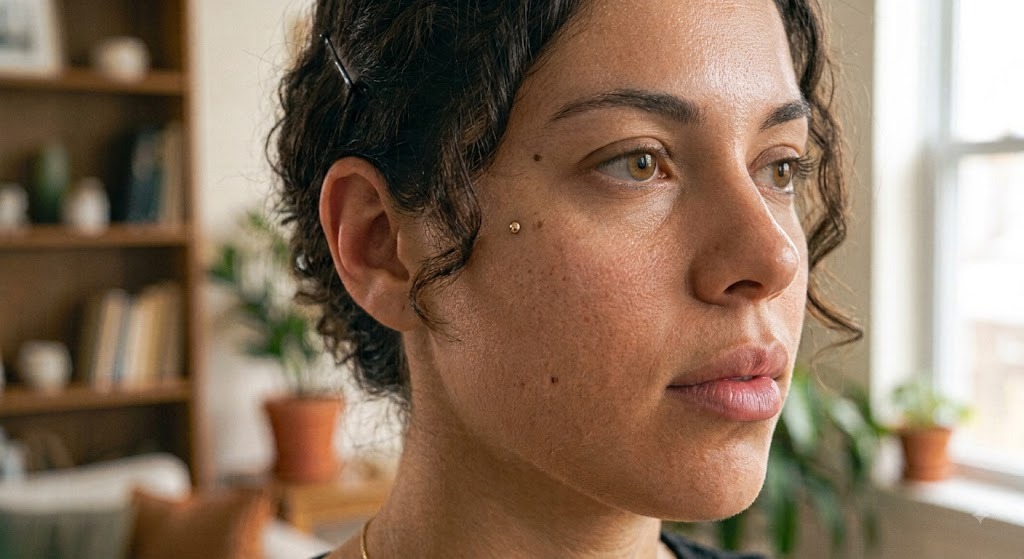
A dermal is the one piercing that does not go all the way through anything. There is no entry point and exit point the way there is on an earlobe or a nostril — a dermal is a single anchor placed under the skin, with only the decorative top sitting visible on the surface. That is what makes it possible to place jewellery almost anywhere flat on the body, including places that have no natural fold or edge to pierce through.
It is also, for the same reason, one of the higher-maintenance and shorter-lived piercings on this list, and being clear about that upfront is more useful than pretending otherwise. If you are considering a dermal piercing in gurgaon, this covers how it actually works, where it suits, and the honest lifespan. We are Vulture Tattoos, an appointment-only studio in Sector 47.
How a dermal actually works
- A small anchor — usually a flat disc with holes in it, sometimes a foot-shaped base — is placed under the skin through a small pocket or a dermal punch.
- Skin heals over and around the anchor’s base, holding it in place from underneath.
- A decorative top screws or clicks onto the exposed part, sitting on the surface like a single stud with nothing visible entering or exiting.
Because it does not rely on a natural fold of tissue the way an ear or nose piercing does, it can go almost anywhere on a flat area of skin — which is exactly why people request them on the chest, back, cheek, nape and other spots no traditional piercing reaches.
Where dermals work best
- Collarbone. One of the most popular placements — a single point along the bone’s natural line. See our collarbone tattoo guide for the same placement’s tattoo equivalent.
- Nape of the neck. Discreet, easily hidden by hair, striking when shown.
- Cheekbone or facial dermals. A single sparkling point below the eye. Popular, and see the honest section on facial dermals below.
- Chest, sternum area. A single point rather than a full piece.
- Wrist or hand (back of). Uncommon and higher risk of catching — think carefully before this placement.
- Lower back. Flat, decent depth of tissue, generally a stable spot.
- Hip. A single anchor point, low friction if placed correctly.
Flat, well-cushioned areas with minimal movement and low friction hold dermals best. Anywhere that flexes constantly, bends, or gets knocked or gripped regularly is a poor candidate.
The honest lifespan
This is the section most studios gloss over, and it deserves a straight answer.
Dermals are not a permanent piercing in the way a lobe or a septum can be. They can last for years in a good, stable placement with careful aftercare — but they can also migrate or be rejected within months, particularly in spots with any regular movement or friction.
- Placement decides longevity more than anything else. A flat, protected, low-friction spot lasts longer than an exposed or frequently touched one.
- They can be knocked out. A hard bump, a seatbelt catching it, a bag strap — the anchor can be dislodged by trauma in a way a through-piercing cannot.
- They eventually reject in most people, sooner or later. This is genuinely normal for this style of piercing rather than a sign of anything done wrong. Some people get years out of one; some get months.
Go in expecting a genuinely great look for as long as it lasts, rather than expecting it to be permanent. That framing changes almost nothing about how much you can enjoy it, and it means you will not be disappointed if it eventually needs to come out.
Facial dermals — a specific honest note
Cheekbone and other facial dermals look striking and are one of the most requested placements. Two things worth knowing specifically:
- Facial skin flexes constantly with expression, which shortens the realistic lifespan compared with a flatter, less mobile area of the body.
- If one does migrate or need removal, it can leave a very small mark in a visible spot. This is uncommon with good placement and care, but worth knowing before choosing a facial dermal specifically.
None of this rules it out — plenty of people wear facial dermals happily for a long time. It just deserves an honest conversation before you commit to that particular spot.
Does it hurt?
More than a standard through-piercing of the same size, because the technique is different — creating the pocket for the anchor involves slightly more than a straight needle pass. Most people describe it as a firm, brief pressure rather than a sharp pain, comparable to or slightly more than a standard piercing in a fleshy area.
It is quick regardless of the discomfort level — the procedure itself takes a few minutes. Our pain guide covers placement sensation more broadly.
Want to talk through placement first? Call or WhatsApp us on +91 96676 14250 or message us on WhatsApp.
Healing — 2 to 3 months, be gentle
- Weeks 1–2: tender, some swelling around the base. Normal.
- Weeks 2–6: settling, still needs careful handling.
- Months 2–3: generally settled for most people, in a good placement.
Throughout, be genuinely gentle — more so than with most piercings, because a dermal has less holding it in place than a piercing that passes all the way through tissue. Rough handling in the healing period is one of the most common reasons a dermal is lost early.
Aftercare, and the Gurgaon parts
- Sterile saline spray, twice a day. Spray, let it sit, pat dry with clean tissue.
- Do not touch, tug or catch it on clothing. This matters more here than for a through-piercing.
- No alcohol, hydrogen peroxide or Dettol.
- Be conscious of clothing near the site. Tight collars, straps and seams over a fresh dermal are a real risk of catching it.
- No pools, sea or hot tubs until fully healed.
- Avoid pressure directly on it while sleeping if the placement makes that possible.
Local factors: for a collarbone or chest dermal specifically, the same strap problems that apply to a collarbone tattoo apply here — bag straps, bra straps and seatbelts all cross this area and are a real snag risk during healing. See our collarbone tattoo guide for how we plan around that. Gurgaon dust and summer sweat matter for any healing piercing — rinse after a dusty commute or a workout. Our piercing aftercare guide covers the general routine.
Removal — easier than you might think
A dermal comes out far more easily than it goes in. A piercer removes the decorative top, then either gently lifts the anchor out through a small incision or, in some cases, works it out through the original entry point, depending on how the anchor sits.
Do not try to remove or dig one out yourself. It is a straightforward, quick procedure for a professional and a genuinely risky one to attempt alone.
Jewellery
- Flat disc or foot-plate anchor — the standard base, chosen for stability under the skin.
- Interchangeable tops — flat gems, small studs, tiny charms. Part of the appeal is being able to change the visible top without touching the anchor underneath, once healed.
Implant-grade titanium, always, given how long the anchor sits embedded.
Why the piercer matters
A dermal is the most technique-dependent piercing on this list. Anchor depth, angle and placement all affect how long it lasts and how easily it heals. A poorly placed dermal migrates or rejects quickly regardless of aftercare; a well-placed one, in a sensible spot, gives you the best realistic chance of it lasting.
- Sterile single-use equipment opened in front of you.
- Placement discussed honestly, including which spots you are considering and how that affects longevity.
- Correct anchor depth and angle for the specific location on your body.
- Implant-grade titanium anchors and tops.
Every piercing here is done with single-use sterile equipment opened in front of you, in an appointment-only room. That is part of why our clients have left more than 270 five-star Google reviews. Our piercing studio guide for Gurgaon covers the standards to expect anywhere.
Why book in Sector 47
Vulture Tattoos is at Shop F-04, Spaze Boulevard, Malibu Towne, Sector 47, Gurugram. Easy to reach from across Gurgaon, DLF, Sohna Road, Golf Course Road and South Delhi.
Book your dermal piercing: call or WhatsApp +91 96676 14250. See our work on Instagram at @vulture_tattooz, or reach us through our contact page.
Frequently Asked Questions
How is a dermal piercing different from a normal piercing?
A normal piercing goes all the way through tissue, with an entry and an exit point. A dermal is a single anchor placed under the skin with only the decorative top visible on the surface — nothing goes through and out the other side. That is what allows it to be placed almost anywhere flat, including spots with no natural fold to pierce through.
How long do dermal piercings last?
It varies a lot, and honestly it is not a piercing to think of as permanent. A flat, stable, low-friction spot can hold a dermal for years with good care. More exposed or frequently touched placements often reject or migrate within months. This is normal for this style of piercing rather than a sign anything was done wrong.
Does a dermal piercing hurt more than a regular piercing?
Somewhat, because the technique creates a small pocket rather than a single straight pass. Most people describe a firm, brief pressure rather than sharp pain. The procedure is quick either way, usually a matter of minutes.
Where do dermal piercings work best?
Flat, well-cushioned, low-movement areas — the collarbone, nape of the neck, lower back and chest are common and generally stable choices. Anywhere that flexes constantly, bends, or gets gripped or knocked regularly is a poor candidate and will likely reject faster.
Are facial dermals a good idea?
They look striking and are popular, but facial skin flexes constantly with expression, which shortens the realistic lifespan compared with flatter areas of the body. If one does need removal, it can leave a very small mark in a visible spot, though this is uncommon with good placement. Worth an honest conversation before committing to that specific spot.
Does removing a dermal piercing hurt or leave a scar?
Removal is quick and straightforward for a professional — the top comes off and the anchor is gently lifted out through a small incision or worked out through the original point, depending on how it sits. Never attempt to remove or dig one out yourself. A properly removed dermal in a good placement generally leaves minimal to no visible mark.
Can I change the jewellery on my own once it’s healed?
The interchangeable top can usually be swapped once fully healed, which is one of the appeals of a dermal — different gems or studs without disturbing the anchor. We would still recommend having the first few changes shown to you at the studio so you know the correct technique before doing it yourself.
How do I book?
Booking is by appointment. Call or WhatsApp +91 96676 14250. We discuss placement honestly, including how it affects longevity, and give you a clear price before anything is done.