Sleeve Tattoo in Gurgaon — Half & Full Sleeve Guide
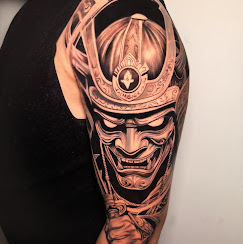
A sleeve is not one tattoo. That is the first thing I tell anyone who walks into the studio and points at their bare arm and says they want the whole thing done. What they are really asking for is a project, and the sooner we both treat it like one, the better the arm looks five years from now.
I have inked forearms that stayed a forearm piece forever, and I have inked forearms that turned out to be the first panel of something that eventually wrapped the shoulder. Both are fine. But a sleeve done properly has a plan behind it, even if you only reveal that plan one session at a time. This guide walks through how a **sleeve tattoo in Gurgaon** actually comes together at a real studio, told the way I would explain it across the counter, not the way a pricing page would.
If you are still deciding between a single statement piece and a full arm, read this first. It will save you money, save your skin some grief, and stop you from committing to something you have not thought all the way through. At Vulture Tattoos we do a fair number of these, and the arms that work are almost always the ones where the client understood what they were signing up for.
Quarter, half and full — what the words actually mean
People throw these terms around loosely, so let me pin them down. The zones are roughly defined by joints, because joints are the natural stopping points on an arm.
- Quarter sleeve: shoulder cap down to about mid-bicep, or wrist up to the elbow. It is the smallest of the three and reads more like a large single piece than a true sleeve. Good starting point if you are unsure how far you want to go.
- Half sleeve: shoulder to elbow, or elbow to wrist. This is the most common request I get. A half sleeve tattoo gives you a proper canvas, a clean stopping line at the elbow, and the option to stay there or extend later.
- Full sleeve: shoulder all the way to the wrist, elbow included. A full sleeve tattoo is the big one — the most skin, the most sessions, the most planning, and honestly the most rewarding when it is done right.
The reason the joint matters is flow. The elbow and the shoulder are where designs either connect smoothly or fall apart. An arm that stops cleanly at the elbow looks deliberate. An arm where the theme dies somewhere on the bicep because two artists never talked to each other looks like an accident. More on that later, because it is the single biggest mistake I see.
Why a sleeve is a project, not an appointment
You cannot sit for a full arm in one go. Nobody can. The body will not take it, the ink will not settle, and the result would be muddy. A sleeve happens across multiple sessions spread over weeks or months, and that spacing is a feature, not a delay.
Spreading the work out also spreads the cost, which is one of the things people are most surprised by. Our tattoo cost guide for Gurgaon explains how a multi-session project is quoted.
Here is roughly how the work breaks down. First there is design and mapping, where the artist figures out how the whole thing sits on your specific arm — your muscle shape, where the wrist tapers, how the shoulder curves. Then outlining, usually done in stages so we are not tracing the entire arm in one marathon. Then shading and blackwork. Then colour if the piece uses it. Then, near the end, the small stuff: fillers, background, the bits that tie separate elements into one image. Touch-ups come last, after everything has healed.
Between sessions your skin needs to fully recover before we work the same area again. Pushing sessions too close together on the same zone is how you get overworked skin and patchy healing. So a sleeve moves at the pace your body allows, and a good artist will not rush it just because you are impatient. I would rather book you three weeks out than damage a panel we already got right.
The honest version: a full arm can take several months from first line to final touch-up. Realism and portrait work sit at the slow end because the shading has to be flawless. Bold blackwork moves faster. Neither is better — they are different projects with different timelines.
Popular sleeve themes that actually age well
The theme is the spine of the whole thing. Get it right and every future session slots in. Get it vague and you end up with a collection of unrelated tattoos sharing an arm. These are the directions I steer people toward, and roughly who each one suits.
Realism and black-and-grey
Faces, animals, statues, clocks, religious scenes, portraits of people who matter to you. Realism is the showpiece style and it needs a specialist, because smooth shading and strong composition are what separate a stunning realistic sleeve from a smudge. This is Ajay’s home ground — he does realism, devotional and portrait work, and cover-ups, and a black-and-grey realism sleeve is one of the most requested projects we take on. It ages beautifully when the contrast is built properly.
Devotional and spiritual
Deities, mantras, mandalas, temple imagery, symbolism that means something to you personally. Devotional sleeves are hugely popular here and they carry weight beyond the artwork. Done with respect and good reference, they hold up for decades. If this is your direction, bring your references and your reasons — the more the artist understands the meaning, the better the placement decisions.
Geometric and ornamental
Sacred geometry, mandalas, dotwork, linework that follows the muscle and wraps the arm. Geometric suits the arm shape almost better than any other style, because clean lines can trace the taper of the wrist and the curve of the shoulder. Ronny handles the fine-line and geometric side, and if this is your lane it is worth reading our dedicated piece on geometric tattoos in Gurgaon before you commit to a full design.
Blackwork
Bold black shapes, heavy contrast, negative space, pattern. Blackwork reads strong from across a room and photographs well, which is exactly why it works on a full arm. It can go tribal, it can go dense and architectural, and it is one of the most forgiving styles as skin ages because there is no fine shading to fade. If you want maximum impact with cleaner healing, this is a serious option.
You can also mix, but carefully. A realism focal piece with geometric fillers can work when one artist controls the whole composition. What does not work is bolting a photo-realistic tiger next to a tribal band and hoping they get along. Cohesion is a decision made at the start, not a rescue mission at the end.
Building a sleeve over time versus all at once
There is no single right answer here, only the right answer for you.
Building over time means you design the full arm now, then tattoo it in planned chunks as your schedule and budget allow. The key word is planned. We map the entire sleeve first, agree on the theme and the flow, and then execute it panel by panel. Each session is a complete-looking stage, so even a half-finished sleeve does not look unfinished — it looks intentional. This is how most of our clients do it, and it is the sensible route if you are not sure you can block out several months right away.
Doing it all at once — meaning a tight run of sessions over a shorter window — suits people who have the time, the pain tolerance, and the commitment locked in. It gets you to the finished arm faster and keeps the whole vision fresh in the artist’s hands. But it is demanding on your body and your calendar.
The one thing I will push back on hard is the unplanned build. That is the person who gets a forearm piece from one artist, a bicep piece from another a year later, and then wants us to somehow stitch it into a sleeve. Sometimes we can bridge it with clever background and fillers. Sometimes we genuinely cannot, and the honest answer is a cover-up or a reset. Plan the whole arm before the first needle touches skin, even if you only ink a quarter of it this year.
Pain, honestly, by zone
Nobody likes this part of the conversation but you deserve a straight answer. Pain on the arm varies a lot depending on where the needle is, and knowing the map helps you brace for the tough sessions.
- Outer forearm and outer bicep: the friendliest zones. Muscle underneath, fewer nerves near the surface. Most people handle these fine. Our full forearm tattoo guide goes deeper if the lower arm is where you are starting.
- Inner arm and inner bicep: softer, thinner skin, more sensitive. This is where people start shifting in the chair.
- Elbow and elbow ditch: the crease is one of the sharper spots on the whole arm, and the elbow bone itself is not pleasant. Short bursts here, and worth it because the elbow ties the sleeve together.
- Wrist: thin skin over bone, tender, but usually small areas at a time.
- Shoulder cap: generally very manageable, one of the easier finishes.
Sessions get broken up partly for this reason. We are not going to grind the inner elbow for four straight hours. Eat before you come, stay hydrated, and tell your artist when you need a two-minute break — that is normal and expected, not a sign of weakness.
Healing across a long project
A sleeve means you will be healing tattoos, on and off, for months. That changes how you live for a while, so plan around it.
Each freshly worked zone follows the usual arc: a few days of soreness and slight swelling, then flaking and peeling over a week or two, then a settling period where the skin looks a little dull before it finally clears. Basic aftercare holds throughout — keep it clean, moisturise as instructed, no soaking in pools or long baths, and keep fresh work out of direct sun. Sun is the enemy of every tattoo but especially of the shading in a big piece.
The practical bit people forget: gym, swimming and sun exposure all take a back seat while a panel heals. If you train hard or you have a beach trip coming, tell us and we will time the sessions around it. And because a sleeve is multiple healing cycles, we always let a worked area fully recover before we touch it again. That patience is exactly why the finished arm looks clean instead of overworked.
Budgeting the sessions — planned, not guessed
I will not put numbers in a blog, and you should be sceptical of anyone who quotes a full sleeve price off a single message. A sleeve is priced on the actual work: the size, the detail, the style, how much colour, how many sessions your specific design demands. Realism and dense custom work sit differently than bold blackwork.
What we do instead is give you a proper written quote after we have talked through the design and mapped the arm. That way you know the plan and the scope before you commit, and you can pace the sessions to suit your budget. Building over time exists partly for this reason — you spread a big project across months rather than facing it all in one hit. Ask for the quote up front, get it in writing, and never let anyone start a sleeve on a vague verbal figure.
Why one artist should own the whole sleeve
This is the hill I will die on. A sleeve should be one artist’s composition from shoulder to wrist.
Every artist has a hand — the way they build contrast, space their lines, handle a curve. Put two hands on one arm and you can usually see the seam, no matter how skilled both artists are. One person owning the sleeve means the flow is planned as a single image, the elements connect, the fillers are consistent, and the theme actually holds together all the way down. It also means one person is accountable for the result.
That is why the mapping session matters so much. Before we ink anything, the artist looks at the whole arm and plans where the focal pieces sit, how they connect, where the background carries the eye from one element to the next. You cannot do that if the arm is going to pass through several different hands over the years. Pick your artist for the sleeve, not just for the first tattoo, and let them design the whole thing.
Choosing the right studio for a sleeve
A sleeve is a long relationship with a studio, so choose like you mean it. A few things to actually check:
- Specialist match: make sure the studio has an artist who genuinely specialises in your style. A realism sleeve needs a realism artist; a geometric sleeve needs someone who lives in linework.
- A real portfolio of finished sleeves: not single pieces — full, healed arms. Anyone can post a fresh photo. Ask to see healed work.
- Hygiene you can see: single-use sterile needles opened in front of you, a clean setup, appointment-only so you get proper time and attention.
- A track record: reviews from real clients matter. We are sitting on 270+ five-star Google reviews, and a lot of those are people who came back session after session for the same arm.
- Willingness to plan: a studio that maps the whole sleeve before starting is a studio that takes the project seriously.
If you want to see who would actually be holding the machine, our rundown of the best tattoo artists in Gurgaon is a good place to start. At Vulture Tattoos, Ajay leads on realism, devotional, portrait and cover-up work, and Ronny handles fine-line, script and geometric. Between them, most sleeve directions are covered under one roof.
Ready to start planning? Come talk it through with us — call or WhatsApp +91 96676 14250, or message us on WhatsApp and we will set up a consultation. You can also reach the studio through our contact page. We are at Shop F-04, Spaze Boulevard, Sector 47, Gurgaon, and we work appointment-only so your sleeve gets the time it deserves.
See our work and get in touch
The best way to judge a studio for a sleeve is to look at the arms it has actually finished. See our latest sleeves and healed work on Instagram at @vulture_tattooz, browse the styles and artists on our site at vulturetattoos.com, and when a design is forming in your head, call or WhatsApp us on +91 96676 14250 to book a consultation. Whether it is a quarter to test the water or a full arm you have been planning for years, we will map it properly before we start.
Frequently Asked Questions
How long does a full sleeve tattoo take to finish?
A full sleeve is spread across multiple sessions over weeks or months, not done in one sitting. The exact timeline depends on the style — bold blackwork moves faster, while realism and portrait work take longer because the shading has to be built carefully. Your skin also needs to fully heal between sessions on the same zone, so the project moves at the pace your body allows.
Can I turn my existing forearm tattoo into a sleeve?
Sometimes, yes. If the existing piece is well placed and works with your intended theme, we can plan background and fillers around it to build outward. If it clashes with the direction you want, we may need to discuss a cover-up. The best move is to bring it in and let the artist map the whole arm before deciding how to extend it.
Should I get a half sleeve or a full sleeve first?
A half sleeve is the most common starting point because it gives you a proper canvas with a clean stopping line at the elbow, and you can extend to a full sleeve later. If you are certain about the full arm and you have the time and commitment, we can design the whole thing from the start and tattoo it in stages. The key is planning the full vision early, even if you only ink part of it now.
Which theme works best for a sleeve?
Realism and black-and-grey, devotional and spiritual imagery, geometric and ornamental linework, and blackwork all work well on the arm. The right one depends on what you connect with and which artist suits your style. What matters most is picking a single coherent theme so every element flows together rather than looking like unrelated tattoos sharing an arm.
Does a sleeve tattoo hurt a lot?
Pain varies by zone. The outer forearm, outer bicep and shoulder are the friendlier areas, while the inner arm, elbow crease and wrist are more sensitive because the skin is thinner over bone and nerves. Sessions are broken up so no single sensitive area gets worked for too long, and short breaks during a session are completely normal.
Why does one artist need to do my whole sleeve?
Every artist has a distinct hand, and putting two of them on one arm usually leaves a visible seam no matter how skilled both are. One artist owning the sleeve means the flow, the fillers and the theme are planned as a single image from shoulder to wrist, and one person stays accountable for the finished result.
How much does a sleeve tattoo cost in Gurgaon?
We do not quote sleeve prices from a message, because the cost depends on the size, detail, style and number of sessions your specific design needs. After we talk through the design and map your arm, we give you a proper written quote so you know the full scope before you commit and can pace the sessions to your budget.
How do I book a consultation for a sleeve?
Call or WhatsApp us on +91 96676 14250, message us on WhatsApp, or reach out through our contact page. We work appointment-only at Shop F-04, Spaze Boulevard, Sector 47, Gurgaon, so your sleeve gets a proper planning session before any ink goes down.