God Tattoo in Gurgaon: A Respectful Guide to Devotional Ink (Om, Trishul, Mahadev, Hanuman, Ganesha)
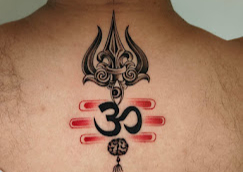
Why devotional tattoos matter more than most designs
A god tattoo is not the same as a flash design you pick off a wall. It carries faith, family, and often a promise you make to yourself. For many people in Gurgaon, a Mahadev portrait or an Om on the forearm is the most personal piece of art they will ever wear. That is exactly why it deserves careful thought before the needle ever touches skin.
At Vulture Tattoos in Sector 47, we treat devotional work with the seriousness it asks for. This guide walks you through the meaning behind the most requested designs, where to place them respectfully, why fine detail has to survive at real size, and how to care for the tattoo while it heals. If you are searching for a considered, honest **god tattoo in gurgaon**, this is the background that helps you make a good decision rather than a rushed one.
The most requested devotional designs and what they mean
Understanding the symbolism first helps you brief your artist clearly and choose a design that actually reflects what you believe. Here are the pieces we are asked for most often.
- Om (ॐ): The primordial sound, the vibration said to underlie all of creation. It is one of the most universal spiritual symbols in India and works beautifully small or as the centrepiece of a larger composition.
- Trishul (trident): Shiva’s weapon, whose three prongs are commonly read as creation, preservation and destruction, or as the three gunas. It is also linked to Durga and Kali, and pairs naturally with Om, a damru, a crescent moon and a rudraksha mala.
- Mahadev / Shiva: From a meditative portrait of the great ascetic to Nataraja, the cosmic dancer, Shiva imagery ranges from calm to fierce. Details like the third eye, the Ganga flowing from his hair, the serpent and the crescent moon each carry their own meaning.
- Hanuman: A symbol of strength, unwavering devotion, courage and protection. Requested as a bust, a bhakti pose kneeling before Ram, or the bold Panchmukhi (five-faced) form.
- Ganesha: The remover of obstacles and lord of new beginnings, often chosen to mark a fresh chapter such as a business, a marriage or a move.
- Krishna: Love, wisdom and playfulness, usually shown with the flute (bansuri), a peacock feather, or as the charioteer of the Gita.
- Mantra and Sanskrit script: The Maha Mrityunjaya mantra, “Om Namah Shivaya” (ॐ नमः शिवाय), Gayatri mantra, or a single meaningful word rendered in Devanagari.
If Shiva is your focus in particular, we have a dedicated deeper read that goes further into poses, symbolism and composition. See our Lord Shiva tattoo guide for Gurgaon once you have finished here.
Respectful placement: a cultural note worth reading
This is the part many studios skip, and it matters. In Indian tradition the feet and the area below the waist are considered the least pure part of the body. Placing a deity, a mantra or a sacred symbol on the calf, ankle, foot or anywhere below the waist is widely seen as disrespectful, and many people come to regret it later even if it looked fine in the moment.
We will always talk this through with you honestly before we start. As a general guide:
- Recommended for deities and sacred script: forearm, upper arm, chest (over the heart), shoulder, upper back and the back of the shoulder blade. These carry the design with dignity and give it room to breathe.
- Better avoided for god imagery: below the waist, the lower leg, the feet, and anywhere the design would routinely be sat on or stepped near.
- Think about visibility too: a chest or upper-arm piece can be covered at a temple, a wedding or a formal setting when you prefer it private, which many devotees appreciate.
If a placement request worries us, we will say so plainly rather than just take the booking. Getting this right is part of doing devotional work properly, and it is a big reason people trust us with a **god tattoo in gurgaon** rather than treating it as a casual walk-in.
Why fine detail has to survive at real size
A deity portrait is only as good as the detail that lasts. Eyes, expression, the folds of cloth, the flow of Ganga through Shiva’s hair, the fine lines of a mantra in Devanagari, all of this reads beautifully on a phone screen but can collapse into a grey smudge if it is packed too tightly or placed on skin that flexes and stretches.
Good devotional tattooing plans for the years ahead, not just the reveal photo. That means sizing the piece so the smallest important lines stay open, choosing a placement where the skin holds detail well, and building contrast that will still separate the elements once the tattoo has settled and softened with age.
This is Ajay’s specialism. He works in realism, portrait and devotional styles, and he sizes and spaces a design so it ages honestly. If you want to understand how portrait-level detail is built and preserved, our portrait tattoo guide for Gurgaon explains the craft behind a face that still looks like a face in ten years. You can also read more about the people behind the machine on our tattoo artists in Gurgaon page.
Black-and-grey or colour?
Both are valid for devotional work, and the right answer depends on the design and the mood you want.
- Black and grey: The classic choice for Mahadev portraits, Trishul-and-Om compositions and mantra script. It reads as timeless and serious, holds detail extremely well, and tends to age gracefully. Most of the meditative Shiva and mantra pieces we do are black and grey.
- Colour: Can bring Krishna’s blue skin, a peacock feather, Ganesha’s garlands or a Nataraja’s fire to life. Colour asks for a little more aftercare discipline and can need a touch-up over the years, but the payoff on the right design is striking.
- A middle path: Many clients choose black and grey with a single restrained accent, a saffron tilak or a touch of gold, so the piece stays classical but has one point of warmth.
We will show you honest examples of each so you can decide with your own eyes rather than a mock-up that flatters the design.
Popular placements and how big they need to be
Size and placement are linked. A design crammed too small loses its detail; the same design given room can breathe.
- Forearm: The most requested spot for Om, Trishul and mantra work. Visible when you want it, coverable when you do not, and it holds detail well.
- Chest: Over the heart, ideal for a Mahadev portrait or Hanuman bust you want to keep close and personal.
- Upper arm and shoulder: Great for medium portraits and for a design that wraps slightly with the muscle.
- Back and shoulder blade: The most room of all, suited to large Nataraja scenes, a full Hanuman, or a detailed composition with mantra borders.
At your consultation we will match the design to a size that lets the important detail survive, rather than shrinking it to fit a spot that is too small.
Ready to talk it through? Call or WhatsApp us on +91 96676 14250 or message on WhatsApp here and we will help you plan the piece.
Getting the Sanskrit spelling right
Nothing undoes a devotional tattoo faster than a spelling mistake in the script. Devanagari and Sanskrit are unforgiving: a missing matra, a wrong conjunct, or a character copied from a low-resolution image online can change the meaning entirely, and once it is in the skin it is very hard to fix cleanly.
Here is how we protect you from that:
- Source the text properly. We work from a correct, high-resolution reference of the exact mantra or word you want, ideally one you have verified with someone who reads the script.
- Confirm the wording with you in writing. You approve the final text and rendering before we transfer it to the skin.
- Check the stencil on your body. You see the stencil in the mirror, in position, and read it back to us before any needle work begins.
If you are unsure of the wording, tell us at the consultation. It is far better to slow down and verify than to carry a mistake for life. Ronny handles a lot of our fine-line script and lettering work, and this careful process is standard for every mantra we do.
Does a devotional tattoo hurt?
Honest answer: some discomfort is normal, and it varies by placement and by person. Nobody should promise you it is painless.
- More tender areas: chest, ribs, spine, inner arm and anywhere close to bone tend to feel sharper.
- More forgiving areas: outer forearm, outer upper arm and shoulder are generally easier to sit through, which is one reason they are popular for larger devotional pieces.
- Session length matters: a large back or chest portrait may be split across sittings so you stay comfortable and the skin is worked cleanly.
We keep the pace sensible, take breaks when you need them, and never rush detailed work just to finish faster.
Healing and aftercare
A devotional portrait only stays crisp if it heals well. Aftercare is simple but not optional.
- Keep the initial covering on for the time we tell you, then wash gently with clean hands and a mild fragrance-free soap.
- Pat dry and apply a thin layer of the aftercare product we recommend, two to three times a day. Thin is the word, the skin needs to breathe.
- Do not pick or scratch as it scabs and flakes. Picking is the fastest way to pull ink out and leave gaps in fine detail.
- Avoid soaking: no pools, no bathtubs, no steam and no soaking in water until it is fully healed. Showers are fine.
- Keep it out of direct sun while healing, and use sunblock on it for life once healed. Sun is the single biggest cause of a devotional tattoo fading.
- Wear loose clothing over the area, especially for chest and back pieces, so nothing rubs the healing skin.
We send you home with clear written instructions and stay reachable if you have any questions during the heal.
Custom design: your devotion, not a stock image
The most meaningful god tattoos are the ones designed around your story. Rather than copying a stock Mahadev outline, we build the piece around what matters to you, the specific form of the deity, the symbols that carry weight for your family, the mantra that means the most, and a composition that fits your body.
That process usually looks like this:
- Consultation: you share references, your intention behind the piece, and where you want it. We talk placement, size and cultural considerations honestly.
- Design: Ajay or Ronny draw a custom design and refine it with you until it feels right.
- Written quote at consultation: once the design and size are settled, you get a clear written quote, no surprises on the day.
- Session: appointment-only, with single-use sterile needles opened in front of you.
Ajay also does cover-ups, so if you have an older devotional piece that did not age well, ask us whether it can be reworked into something you are proud of again.
Why people choose Vulture Tattoos for devotional work
- Specialist artists: Ajay for realism, devotional, portrait and cover-ups; Ronny for fine-line, script and geometric work.
- 270+ five-star Google reviews from clients across Gurgaon and Delhi NCR.
- Hygiene you can watch: appointment-only, single-use sterile needles opened in front of you every time.
- Honest advice: we will tell you if a placement or size is a bad idea rather than just taking the booking.
- Studio location: Shop F-04, Spaze Boulevard, Malibu Towne, Sector 47, Gurugram, Haryana 122018.
If you want a thoughtful, respectful **god tattoo in gurgaon** done by artists who take the meaning as seriously as the linework, call or WhatsApp +91 96676 14250 and we will book you a consultation.
See our work and get in touch
The best way to judge a devotional artist is to look at healed work, not just fresh photos. See recent Mahadev, Om, Trishul and Hanuman pieces on our Instagram @vulture_tattooz, read more about the studio at vulturetattoos.com, or reach us directly on +91 96676 14250. You can also send us a message any time through our contact page. When you are ready, tell us the design you have in mind and we will take it from there.
Frequently Asked Questions
Is it disrespectful to get a god tattoo?
Not when it is done thoughtfully. For most devotees a permanent deity or mantra is an expression of faith. The key is respectful placement (keeping deities above the waist and off the feet), correct script, and treating the process seriously. We will guide you through all of that at your consultation.
Where should I not place a devotional tattoo?
Avoid the feet, ankles, lower legs and anywhere below the waist for deities, mantras and sacred symbols, as these areas are traditionally considered impure. Forearm, chest, upper arm, shoulder and back are respectful, well-suited placements that also hold detail well.
Which is better for a Mahadev tattoo, black and grey or colour?
Most Mahadev and mantra pieces look their best in black and grey, which reads as timeless and ages gracefully. Colour suits designs like Krishna, a peacock feather or a fiery Nataraja. We will show you honest examples of both so you can decide.
How do you make sure the Sanskrit spelling is correct?
We work from a verified high-resolution reference, confirm the exact wording with you in writing, and let you check and read back the stencil on your skin in the mirror before any needle work starts. If you are unsure of the text, we slow down and verify rather than risk a permanent mistake.
How much does a god tattoo cost in Gurgaon?
Price depends on size, detail, placement and whether it is colour or black and grey, so we give you a clear written quote at your consultation once the design is finalised. There are no surprises on the day of your appointment.
How long does a devotional tattoo take to heal?
The surface usually settles within two to three weeks, with the deeper skin continuing to heal over a couple of months. Following the aftercare, avoiding sun and soaking, and not picking at scabs are what keep the detail sharp long term.
Do you design custom god tattoos or only stock designs?
Everything we do for devotional work is custom. We build the design around the specific form of the deity, the symbols and mantra that matter to you, and your body, so the piece is genuinely yours rather than a copied outline.
How do I book a consultation?
We are appointment-only. Call or WhatsApp +91 96676 14250, message us on WhatsApp, or use our contact page. Share your idea, references and preferred placement, and we will arrange a time to plan your piece.